Krithika
Sengo
ABOUT | ALL WORK | TEXTILE | ILLUSTRATIONS
A Grotesque Spirit
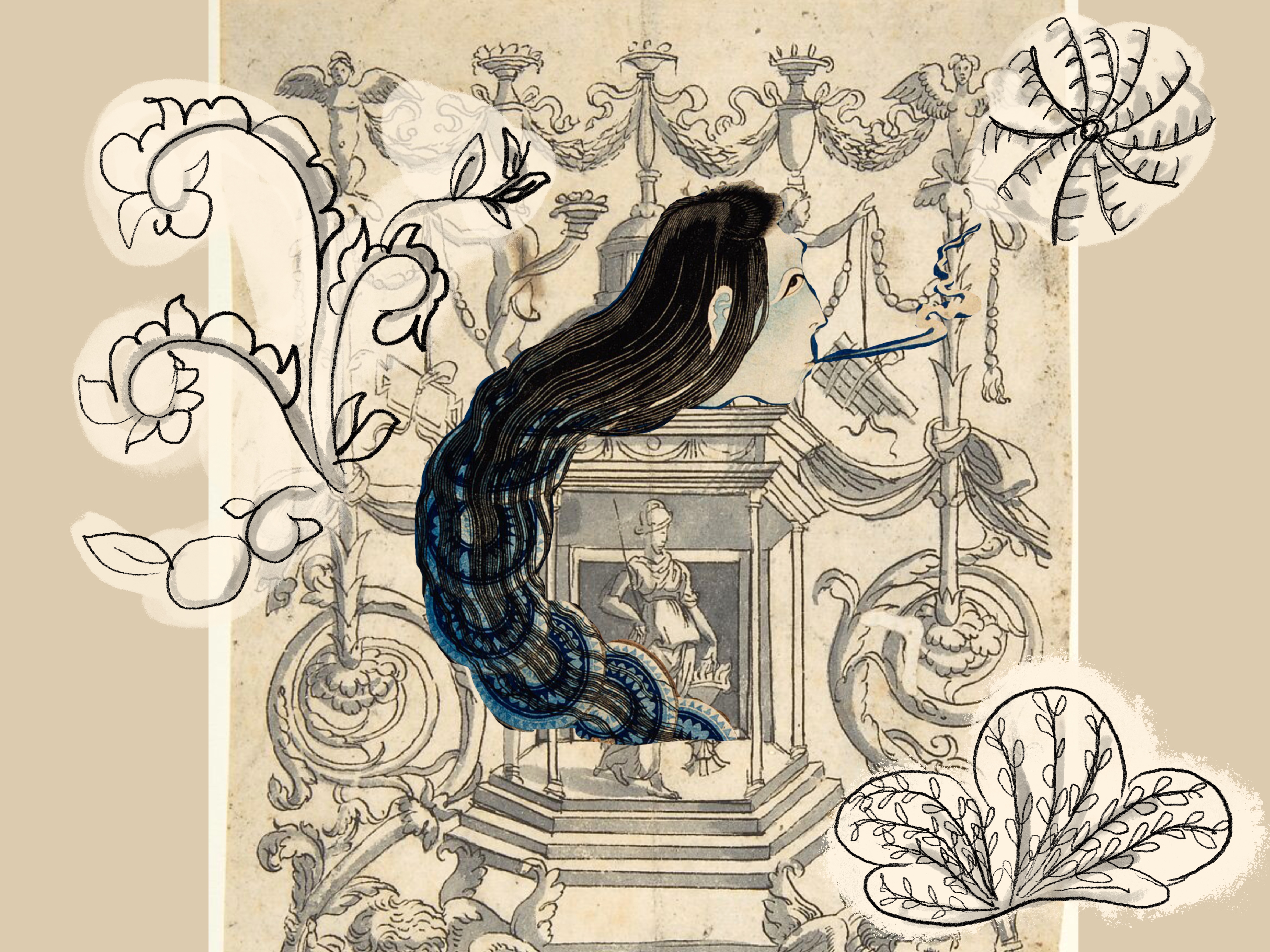
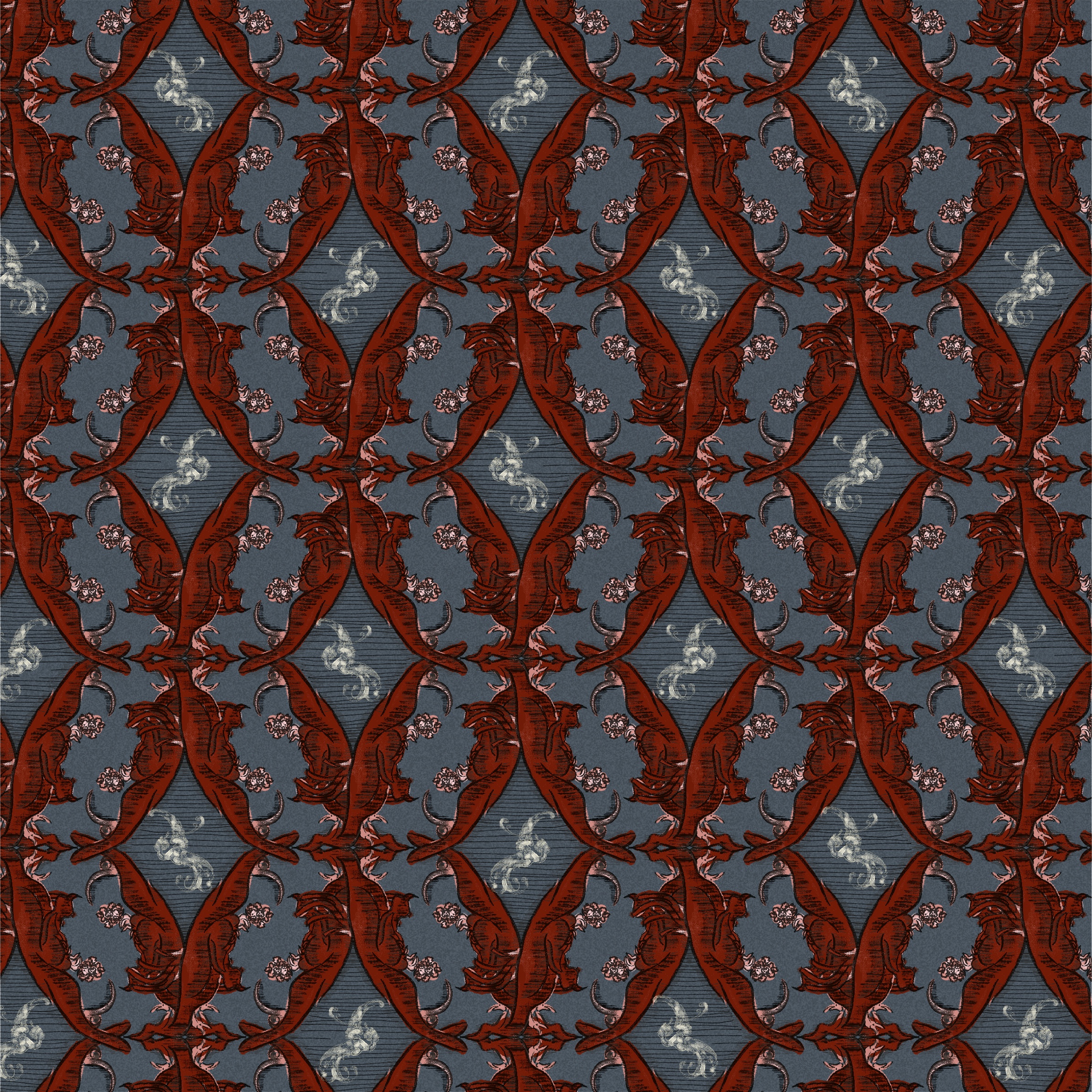
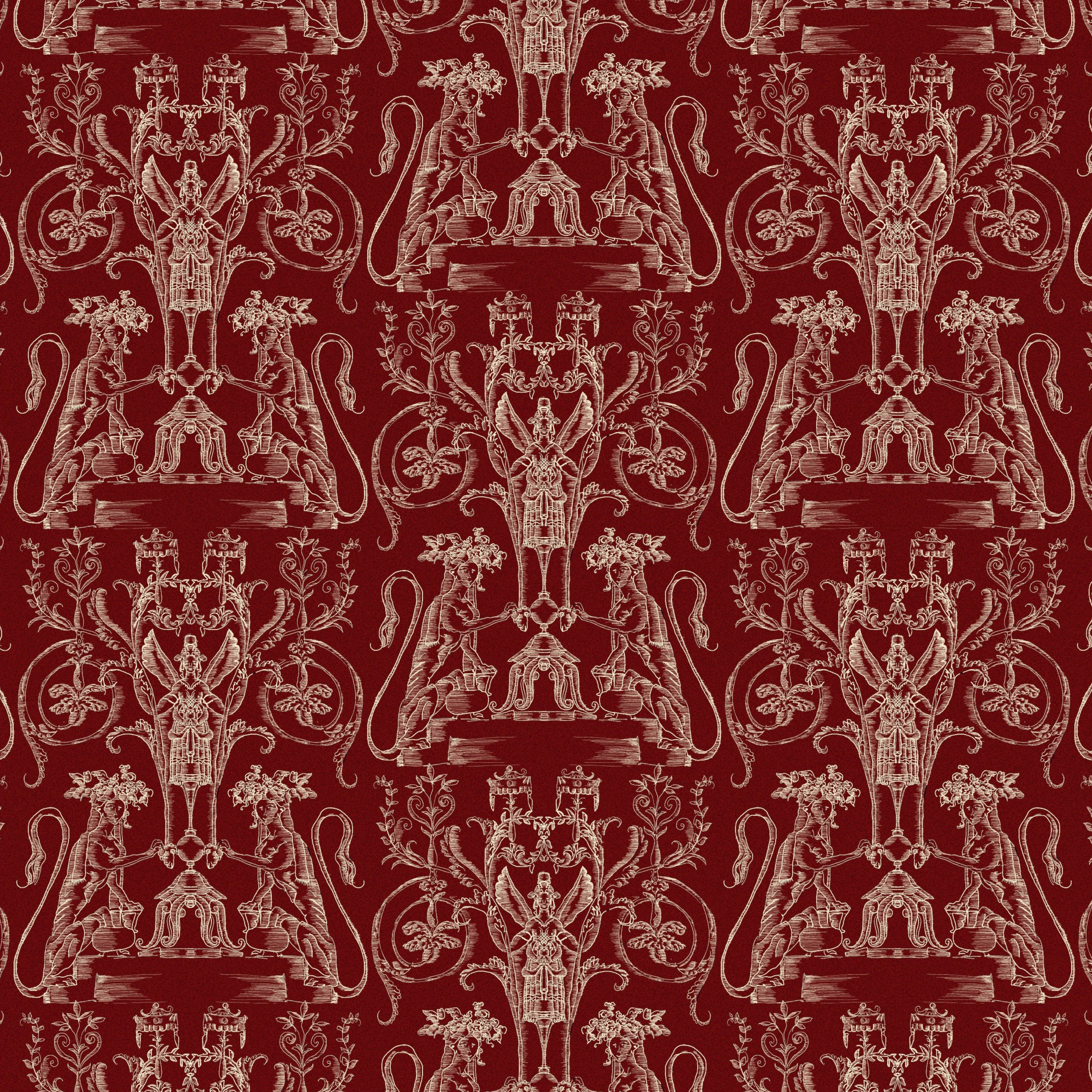
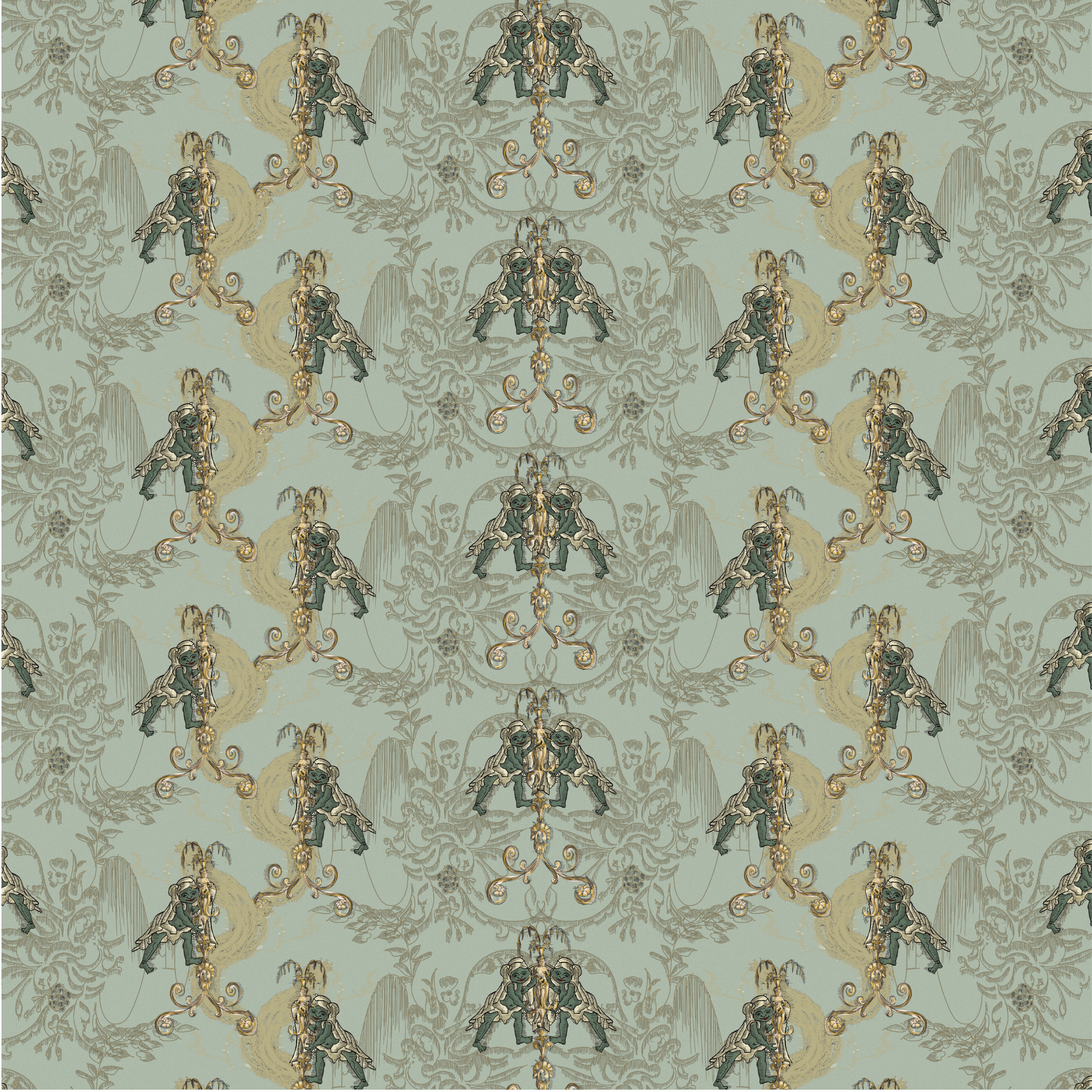
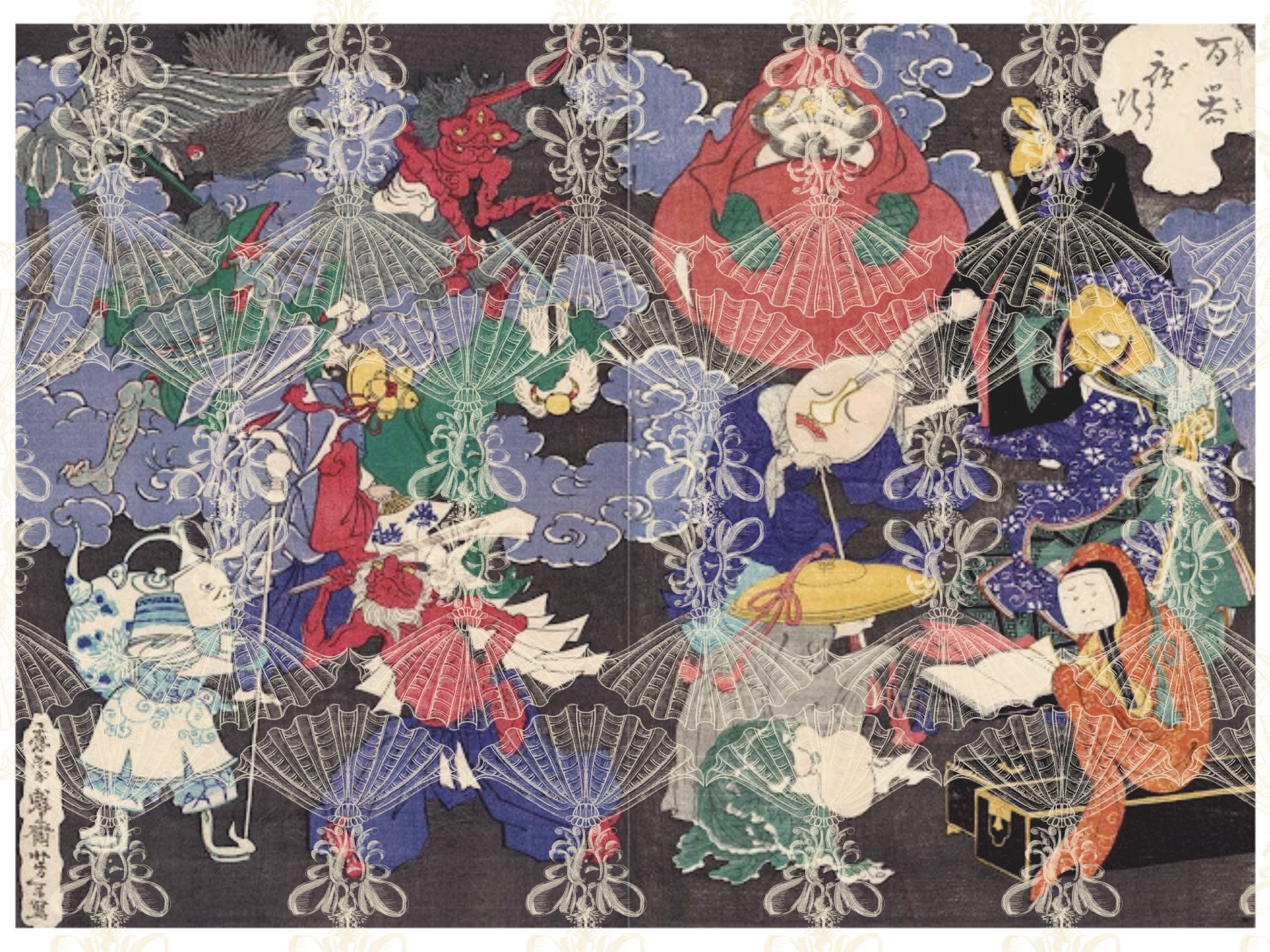
Living in Rome Krithika was constantly in awe of the art and architecture, during everyday walk, she was transported into a different reality. With all the Grotesque creatures in the city, Krithika’s egarness towards creating a story increases. Since at least the 18th century (in French and German as well as English), grotesque has come to be used as a general adjective for the strange, mysterious, magnificent, fantastic, hideous, ugly, incongruous, unpleasant, or disgusting, and thus is often used to describe weird shapes and distorted forms such as Halloween masks. In art, performance, and literature, however, grotesque may also refer to something that simultaneously invokes in an audience a feeling of uncomfortable bizarreness as well as sympathetic pity. Krithika wanted interpret grotesque in her own way. She found a similarity in Japanese yokai to Roman Grotesque. The concept of yokai, their causes and phenomena related to them varies greatly throughout Japanese culture and historical periods; typically, the older the time period, the higher the number ofphenomena deemed to be supernatural and the result of yokai. According to Japanese ideas of animism, spirit-like entities were believed to reside in all things, including natural phenomena and objects. Such spirits possessed emotions and personalities: peaceful spirits were known as nigi-mitama, who brought good fortune. Finding commonality between two extremely strong cultures (Roman and Japanese) seamlessly and keeping in mind the richness, tradition and incorporating the elements with a playful twist was the goal. Krithika initially started had drawing all the elements she could find around Rome. Later on added A spirit for each design from Yokai, creating a rich yet playful blend. Each design stays strong to the inspiration and explores a story of a spirit framed by a grotesque decoration. The use of colours are heavy inspired by shade of Rome blended with the rich colours of Japanese woodblock print. As the both the cultures date way back, Krithika wanted to stick to natural fibres with an occasional use of re-cycled polyester, to keep the dept of the concept alive while being grounded. The intricate and rich proposal are designed to be realised on a jacquard machine. This exploration has really helped Krithika understand the value of human creativity and appreciate different cultures with respect. It has also helped Krithika identify the similarities of rich cultures and has enriched her to create a mystical perspective of her own.The designs were realized in collabration Clerici Tessuto, Como